


Payroll and Invoicing: Can You Manage Both in One Place?
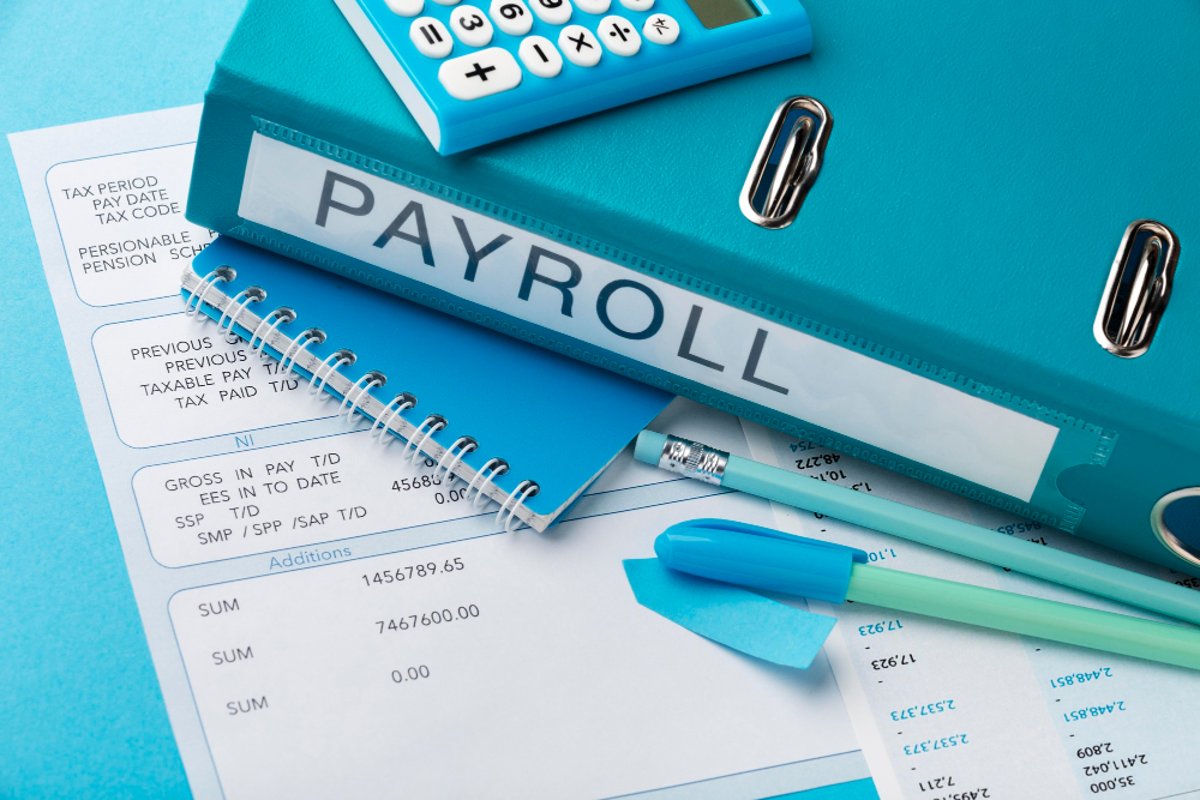
If you are running a small business in the UK with even one member of staff, you are already juggling two of the most time-consuming admin tasks a business owner faces: making sure your team gets paid correctly and making sure your clients pay you on time.
Most small businesses handle these separately. Invoicing goes through one tool, payroll through another, and somewhere in the middle, there are spreadsheets, bank statements, and a growing pile of things to sort before the next tax deadline. It works, but it is inefficient, error-prone, and harder to get a clear picture of where your business actually stands financially.
The question worth asking is whether you need to manage them separately at all.
Why payroll and invoicing end up in different places
The reason most small businesses use separate tools for payroll and invoicing is historical rather than practical. Payroll software was built for HR departments. Invoicing softwarewas built for freelancers and sales teams. The two categories evolved separately, and most software providers have kept them separate because it means selling you two subscriptions instead of one. For a business with 50 employees and 200 clients, that separation might make sense. For a sole trader with a small team, a freelancer who occasionally brings in contractors, or a small business owner managing everything personally, running two separate systems is overhead you do not need.
What you actually need from payroll software as a UK small business
Before looking at whether you can combine the two, it is worth being clear on what payroll actually requires for a UK business.
PAYE calculations: If you employ staff, you are responsible for calculating and deducting Income Tax and National Insurance contributions from their wages before paying them. HMRC expects this to be accurate every pay period.
Payslips: Every employee is legally entitled to a payslip on or before their pay date. The payslip must show gross pay, deductions, and net pay as a minimum.
RTI submissions: Real Time Information submissions to HMRC are required every time you run payroll. These report what you have paid and what you have deducted, so HMRC can reconcile against what you eventually pay over.
Annual P60S: At the end of each tax year, every employee needs a P60 summarising their total pay and deductions for the year.
Auto-enrolment: If any of your employees meet the age and earnings thresholds, you are legally required to enrol them in a workplace pension scheme.
For a business with a handful of employees, all of this is manageable without enterprise-level HR software. The key is having a tool that handles the calculations correctly and keeps records in a format your accountant can work with.
What you actually need from invoicing software as a UK business
On the invoicing side, the requirements for UK compliance are similarly clear.
Valid invoice information: A UK invoice must include your business name and address, a unique invoice number, the invoice date, a clear description of goods or services, the amount due, and your VAT number if you are VAT-registered.
Payment terms: Setting clear payment terms on every invoice, whether that is 14 days, 30 days, or due on receipt, is the single most effective thing you can do to get paid faster. Tools that let you set default payment terms and display them clearly on every invoice remove the ambiguity that causes late payments.
Online payment acceptance: Clients who can pay directly from the invoice pay faster than clients who need to set up a bank transfer manually. According to payment data from UK small businesses, invoices with an online payment option are typically settled in roughly half the time of those without.
Tracking and reminders: Knowing which invoices are outstanding, overdue, or partially paid at any given time becomes more important as your client base grows. Automated payment reminders reduce the awkward follow-up calls without reducing the number of payments you recover.#
The case for managing both in one place
When payroll and invoicing are handled in the same platform, a few things become significantly easier.
You get a single view of your cash position. Money coming in from clients and money going out to staff are the two biggest cash flow variables for most small businesses. Seeing both in one dashboard, alongside your expenses, gives you an accurate picture of where you stand at any moment rather than having to reconcile figures from two separate systems.
Your P&L reporting becomes more accurate. Staff costs are one of the largest expense categories for any business with employees. If your payroll is in a separate system, your profit and loss report is incomplete until you manually add those figures. When payroll and invoicing share the same platform, everything feeds into the same report automatically.
You reduce data entry and the errors that come with it. Every time you manually transfer figures from one system to another, you introduce the possibility of error. A single platform eliminates that step.
Tax preparation becomes straightforward. When your accountant needs to see your income, your staff costs, and your expenses for the tax year, you can export everything from one place rather than pulling reports from multiple tools and hoping the figures reconcile.
Can BFSB manage both payroll and invoicing?
Built For Small Business is designed specifically to handle both in one place for UK small businesses.
The invoicing feature lets you create and send professional invoices, accept payments via Stripe, set payment terms, and track outstanding and paid invoices from a single dashboard. VAT is built in for VAT-registered businesses, and invoices include all the information required under UK law.
The payroll feature lets you generate payslips for your team, with the correct gross pay, deductions, and net pay clearly displayed. For UK businesses, the payslip format covers the information employees are legally entitled to receive.
Both sit alongside expense tracking and profit and loss reporting, so you are not just managing payroll and invoicing in one place — you are managing your entire business finances from a single dashboard.
Free to get started. No credit card required.
Try Built For Small Business free
What to look for when choosing a combined platform
If you are evaluating whether to move to a single platform for payroll and invoicing, a few things are worth checking before you commit.
Does it handle UK-specific compliance? Generic software built for global markets often requires significant manual configuration to work correctly for UK PAYE, NI contributions, and HMRC reporting. A platform built with UK compliance in mind handles this by default.
Is the payroll feature genuinely integrated or just bolted on? Some platforms offer payroll as an add-on that works separately from the rest of the platform. The value of combining the two comes from genuine integration, shared data, unified reporting, and a single export for your accountant.
What does it cost? Payroll software for small businesses typically costs between £5 and £20 per month. Invoicing software adds another £5 to £15 on top of that. A combined platform that handles both should cost less than running two separate subscriptions, not more.
Is there a free tier? For businesses just starting out or with straightforward needs, a genuinely free tier that covers the basics without artificial limits is worth prioritising. Some platforms offer a free trial that expires; others offer a permanently free core with paid upgrades for advanced features.
Common mistakes when switching to a combined platform
Migrating too much historical data at once. Start with your current tax year. Historical data can be added gradually once you are comfortable with the new platform. Trying to migrate everything at once increases the risk of errors and delays your ability to get up and running.
Not updating your payment details with clients. If you are moving invoicing to a new platform, make sure any clients with standing payment instructions have your updated bank details. Sending the first invoice from a new platform with different payment details without forewarning can confuse and delay payments.
Forgetting to export payslips from your old system. Employees are entitled to access their historical payslips. Before leaving your old payroll software, download and store all historical payslips in a format you can share if needed.
Assuming the figures will reconcile automatically. When you first bring your data together in a single platform, take the time to check that your opening figures match your records. A clean starting point saves significant time at year's end.
FAQ: Payroll and invoicing for UK small businesses
Do I need separate software for payroll and invoicing? No. Combined platforms exist that handle both, alongside expenses and financial reporting. For most small businesses, a single platform is more efficient and less expensive than running two separate tools.
Can a sole trader use payroll software? If you are a sole trader without employees, you do not need payroll software. Sole traders pay themselves through drawings rather than a salary, which does not require PAYE. If you take on employees, even part-time, payroll becomes a legal requirement.
Is it cheaper to use one platform for both? In most cases, yes. Two separate subscriptions typically cost more than a single combined platform. Built For Small Business is free to start with no credit card required, which makes it worth trying before committing to a paid tool.
What happens if I make a payroll mistake? HMRC allows corrections to be made through your next RTI submission. For significant errors, you may need to contact HMRC directly. Keeping accurate records in your payroll software makes it easier to identify and correct mistakes quickly.
Does BFSB support Making Tax Digital? BFSB has built MTD for Income Tax integration and submitted it for HMRC production approval. Once approved, Business plan users will be able to submit quarterly updates directly to HMRC from within the platform.
How do I get started with BFSB?Register for free, no credit card required. You can create your first invoice and your first payslip within minutes of signing up.
Related articles you might like
Share:
