


How to Avoid a Surprise Tax Bill in the UK
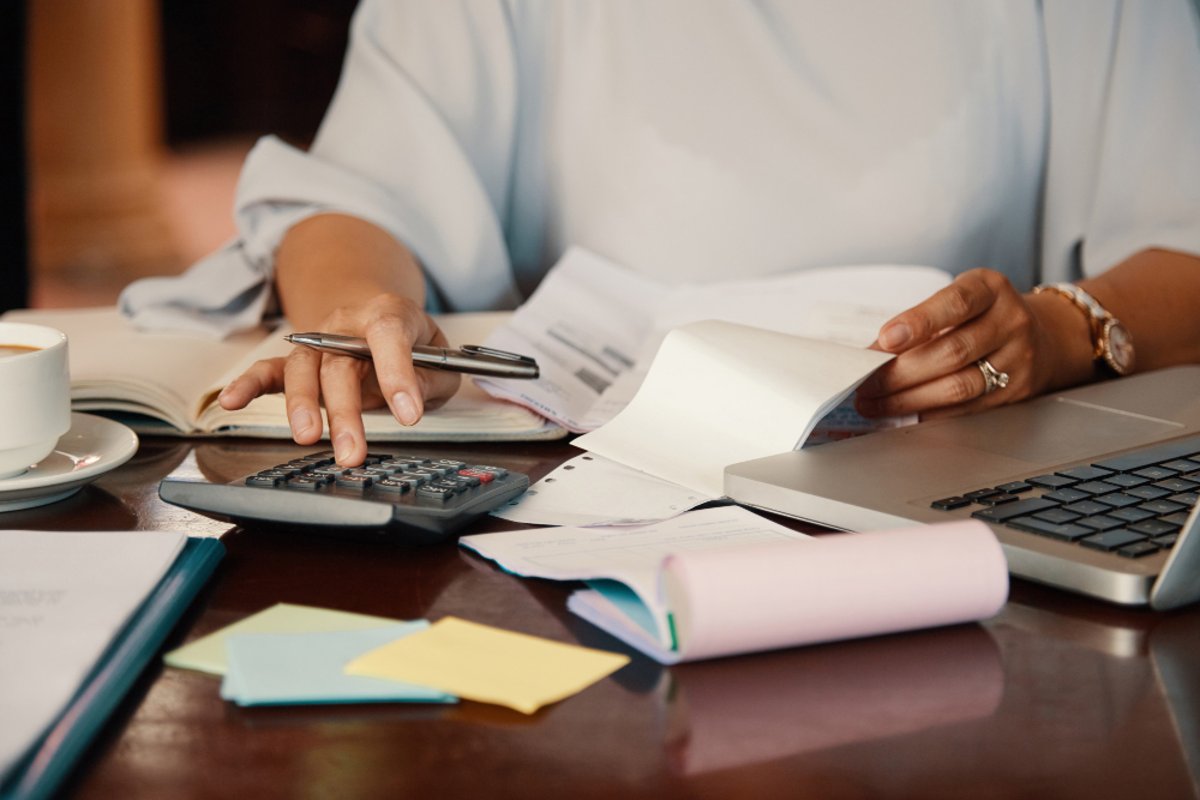
A surprise tax bill is one of the most stressful things that can happen to a self-employed person. It arrives in January, an already expensive month, and it is often larger than expected because it includes payments on account for the following year. The good news is that with the right habits in place, a surprise tax bill is entirely avoidable.
Why surprise bills happen
There are three common reasons sole traders end up with a bill they were not expecting:
1. Not setting money aside as they earn Income arrives in full with no tax deducted. Without a deliberate habit of setting money aside, the whole amount gets spent, and the bill arrives months later, with nowhere to find the cash.
2. Not accounting for payments on account. Once your Self Assessment bill exceeds £1,000, HMRC requires advance payments towards next year's bill. Many sole traders are caught off guardby this in their second year; their January bill is suddenly 150% of what they expected.
3. Not tracking expenses properly. Every legitimate business expense reduces your taxable profit. Sole traders who do not keep proper records throughout the year miss expenses they could have claimed, and pay more tax than they legally need to.
All three are avoidable. Here is how.
1. Set money aside from every payment
The most important habit you can build is treating tax as a cost before you spend anything else. Every time a payment lands in your account, transfer your tax percentage immediately.
As a rough guide:
- Profit up to £20,000 — set aside 20–25%
- Profit £20,001–£40,000 — set aside 25–30%
- Profit £40,001–£60,000 — set aside 30–35%
- Profit above £60,000 — set aside 35–45%
Keep this in a separate savings account so you are not tempted to spend it. The money sits there earning interest until your bill is due.
For an accurate figure based on your actual income, use our self-employed tax calculator, which tells you exactly how much to set aside weekly and monthly.
2. Understand payments on account
Payments on account are advance payments HMRC collects towards your next year's tax bill. They kick in once your current bill exceeds £1,000.
Each payment is 50% of your previous year's bill, due on:
- 31 January — alongside your current year balance
- 31 July — the second instalment
Example: if your 2024/25 tax bill is £6,000, you owe:
- 31 January 2026: £6,000 (current year) + £3,000 (first payment on account) = £9,000
- 31 July 2026: £3,000 (second payment on account)
The January shock is real if you have not planned for it. Build payments on account into your set-aside from year one.
If your income drops significantly, you can apply to reduce your payments on account through your HMRC online account. Do not just ignore them, unpaid payments on account attract interest.
3. Track every expense throughout the year
Every allowable expense you miss is money you pay to HMRC unnecessarily. Common expenses sole traders forget to claim include:
- Mileage — 45p per mile for the first 10,000 miles, 25p after. Many sole traders forget to log journeys
- Home working — a proportion of your utility bills, broadband, and rent if you work from home
- Software subscriptions — accounting tools, design software, project management apps
- Professional development — courses, books, industry memberships directly related to your work
- Bank charges — business account fees.
- Mobile phone — the business-use proportion of your phone bill
The key is logging expenses as they happen, not trying to reconstruct them at the end of the year from memory and bank statements.
4. Know your deadlines and set reminders
Missing a deadline costs money. The key Self Assessment dates are:
| Date | What is due |
|---|---|
| 5 October | Register for Self Assessment if you are new to self-employment |
| 31 October | Paper Self Assessment return deadline |
| 31 January | Online return deadline and payment of any tax owed |
| 31 July | Second payment on account |
Set calendar reminders for 31 January and 31 July well in advance, at least 30 days before each one. This gives you time to log in to your HMRC account, check the amount due, and make sure the funds are ready.
5. Do a mid-year tax estimate
Do not wait until January to find out what you owe. Around September or October, halfway through the Self Assessment process, run an estimate of your likely bill.
Use your income and expenses to date, project forward to April, and calculate an approximate bill. This gives you several months to:
- Increase your set-aside percentage if needed
- Make a pension contribution before 5 April to reduce your taxable profit
- Plan any large business purchases that could reduce your bill
- Set up a payment plan with HMRC if needed
Our self-employed tax calculator makes this a five-minute exercise. Enter your year-to-date figures, and it gives you an instant estimate with a full breakdown.
6. Contact HMRC early if you cannot pay
If you genuinely cannot cover your bill by the deadline, contact HMRC before January, not after. HMRC offers Time to Pay arrangements that let you spread payments over several months.
The interest rate on deferred payments is lower than the 5% surcharge that applies 30 days after the deadline. Acting early keeps your options open. Ignoring the bill does the opposite.
Frequently Asked Questions
What is the penalty for filing my Self Assessment return late?
An immediate £100 penalty applies if you miss the 31 January deadline, even if you owe no tax. After 3 months, daily penalties of £10 per day begin (up to 90 days). After 6 months and 12 months, further percentage-based penalties apply. File on time, regardless of whether you can pay — the filing penalty and the payment penalty are separate.
Can I pay my tax bill in instalments?
Yes, through a Time to Pay agreement. Contact HMRC before the deadline, and they will assess your situation. You will still pay interest on the deferred amount, but avoid the late payment surcharge.
What if I overpay?
HMRC will issue a refund, usually within a few weeks of filing if done online. Refunds go directly to your bank account. You can also offset an overpayment against future payments on account.
Is it worth using an accountant to avoid a surprise bill?
For straightforward self-employment, the habits in this guide are enough to stay on top of things yourself. An accountant adds the most value when your income is irregular, you have multiple income sources, you are close to the VAT threshold, or your expenses are complex. Their fee is also an allowable expense.
Does Making Tax Digital affect how I report my tax?
From April 2026, sole traders and landlords with income above £50,000 must use MTD-compatible software to keep digital records and submit quarterly updates to HMRC. From April 2027, the threshold drops to £30,000. Getting into good record-keeping habits now means the transition will be straightforward.
This article is for informational purposes only and does not constitute tax or financial advice. Figures are based on 2025/26 HMRC rates and may change. Always consult a qualified accountant for advice specific to your circumstances.
Related articles you might like

Share:
