


Common Invoicing Mistakes (and How Small Businesses Can Avoid Them)
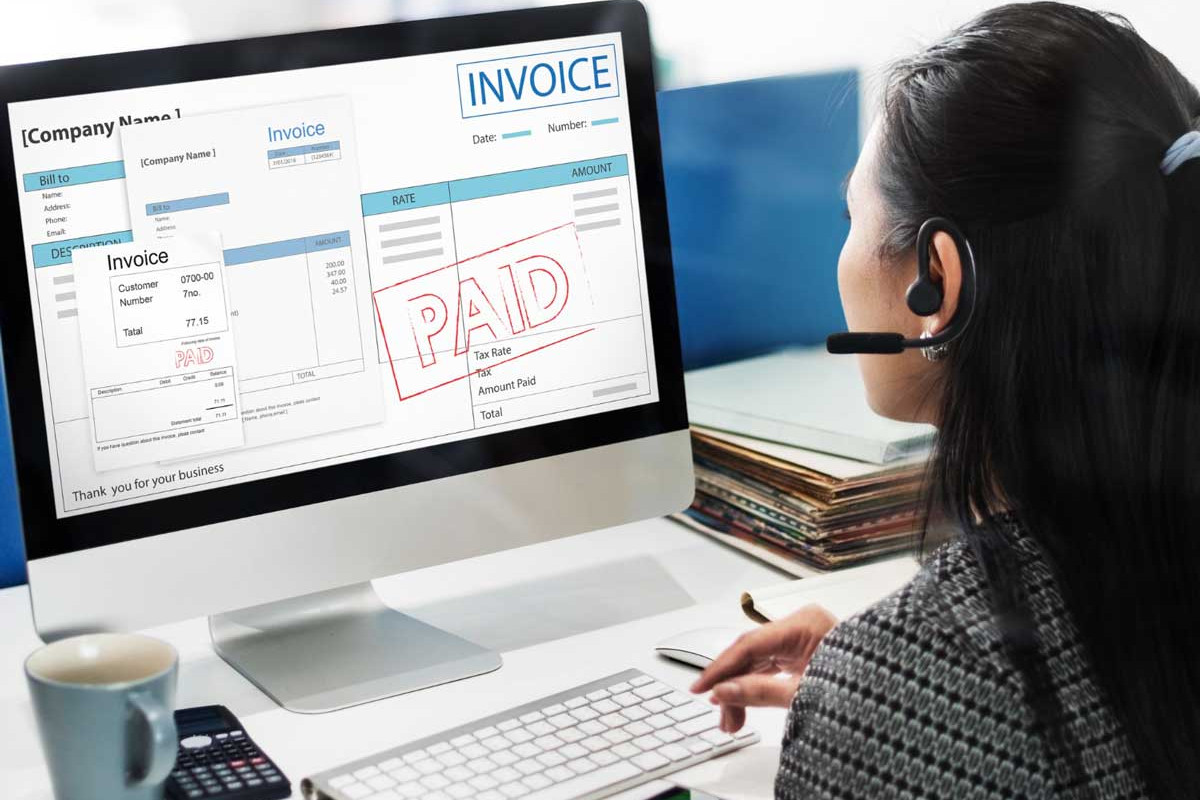
Invoicing is one of the most important parts of running a small business in the UK, and one of the most overlooked. A poorly constructed invoice does not just look unprofessional. It delays payment, creates disputes, and can cause problems with HMRC if your records do not hold up to scrutiny.
The good news is that most invoicing mistakes are entirely avoidable. Here are eight of the most common ones UK small businesses make, and exactly what to do instead.
1. Missing legally required information
In the UK, invoices are not just payment requests; they are legal documents. HMRC sets out specific requirements for what must appear on an invoice, and missing any of them can cause clients to reject the invoice entirely or create compliance issues down the line.
Every UK invoice must include:
- Your business name and address
- The client's name and address
- A unique invoice number
- The date the invoice was issued
- A clear description of the goods or services provided
- The total amount owed
If you are a limited company, your full registered company name must appear exactly as it does on your certificate of incorporation. If you include director names, you must include all of them. Sole traders must include their own name alongside any trading name they use.
Getting this right on every invoice from the start is far easier than correcting it later.
2. Not issuing VAT invoices when required
If your business is VAT registered, you are legally required to issue VAT invoices to VAT-registered clients. A standard invoice is not sufficient. A VAT invoice must include everything on a standard invoice, plus:
- Your VAT registration number
- The VAT rate applied to each item
- The VAT amount charged per item
- The total VAT charged
- The net amount before VAT
Failing to issue a proper VAT invoice means your client cannot reclaim the VAT they paid, which will cause friction and payment delays. It can also attract attention from HMRC during a compliance check.
If you are not yet VAT registered but approaching the £90,000 threshold, it is worth familiarising yourself with these requirements before you cross it.
3. Unclear or missing payment terms
If a client does not know when or how to pay, they will not prioritise it. Unclear payment terms are one of the leading causes of late payments for UK small businesses, and most of the time, the delay is not intentional; it is simply the result of an invoice that never specified a due date clearly.
Every invoice should state:
- The payment due date, not just "Net 30" but the actual calendar date
- Accepted payment methods: bank transfer, Stripe, card payment
- Your bank details or payment link if using a bank transfer
- Any late payment charges that apply
Under the Late Payment of Commercial Debts Act 1998, UK businesses have a legal right to charge interest on overdue invoices, currently 8% above the Bank of England base rate, as well as fixed debt recovery costs. Most small businesses never enforce this, but stating your late payment terms clearly on the invoice makes it far more likely clients will pay on time rather than test whether you will follow up.
4. Sending invoices late
The later you send an invoice, the later you get paid. This sounds obvious, but many small business owners, particularly freelancers and service providers, let invoicing slip to the bottom of the to-do list after the work is done.
Some clients operate on fixed payment runs; for example, they process all invoices received before the 15th of the month at the end of that month. An invoice that arrives on the 16th misses the entire cycle and gets pushed to the following month.
The habit to build is invoicing on the day the work is completed or delivered — not at the end of the week, not when you get around to it. With Built For Small Business, you can create and send a professional, branded invoice in minutes from the same dashboard you use to manage your clients and expenses.
5. Using an unprofessional or inconsistent format
A poorly formatted invoice raises doubts about your professionalism before a client has even looked at the total. Inconsistent fonts, misaligned columns, missing logos, or invoices generated from a Word template that shifts every time you open it, these things matter more than most small business owners realise.
Your invoice should look the same every time. It should include your logo, use consistent branding, and be easy to read at a glance. The amount due and the due date should be immediately visible without the client having to hunt for them.
Consistency also matters for your own records. If every invoice looks slightly different, reconciling them at tax time becomes significantly harder than it needs to be.
6. Not following up on unpaid invoices
Even good clients forget to pay sometimes. An invoice sitting in someone's inbox is not the same as a payment being processed. If you do not follow up, unpaid invoices accumulate, and your cash flow suffers, not because clients are refusing to pay, but because nobody reminded them.
A simple follow-up process looks like this:
- A reminder is sent two to three days before the due date
- A polite follow-up the day after the due date if payment has not arrived
- A firmer follow-up one week later, referencing your late payment terms
- A formal notice after 30 days if the invoice remains unpaid
Most invoices get paid after the first reminder. The key is having a consistent process rather than chasing ad hoc when you happen to notice an invoice is overdue. Built For Small Businesssends automated payment reminders so you are not relying on memory to chase overdue payments.
7. Not keeping adequate invoice records
HMRC requires UK businesses to keep financial records for a minimum of six years. This includes all invoices you have issued and received. If you are ever subject to a tax enquiry or VAT inspection, you will need to produce these records, and "I deleted the emails" is not an acceptable answer.
Beyond compliance, poor record-keeping makes your own finances harder to manage. If you cannot quickly see which invoices have been paid, which are outstanding, and what your total revenue looks like for the year, you are making financial decisions without a complete picture.
Cloud-based invoicing tools solve this automatically; every invoice is stored, timestamped, and accessible whenever you need it. HMRC also accepts digital records as part of its Making Tax Digital initiative, which is already mandatory for VAT-registered businessesand will eventually apply more broadly.
8. Mixing up invoices and receipts
An invoice is a payment request. A receipt is a confirmation that payment has been received. These are not interchangeable, and confusing them or using the same document for both creates ambiguity in your records and can cause problems in a dispute.
If a client pays and asks for a receipt, issue a separate receipt document rather than marking the original invoice as paid and sending it back. Keeping these documents distinct makes your records cleaner, your bookkeeping easier, and your position stronger if a payment is ever disputed.
Invoice accuracy checklist
Before sending any invoice, run through this:
- Business name and address included and correct
- Client name and address included and correct
- Unique invoice number assigned
- Issue date and payment due date are clearly stated
- Clear description of goods or services provided
- Correct totals, rates, and any applicable VAT
- VAT number included if VAT registered
- Accepted payment methods stated
- Bank details or payment link included
- Late payment terms referenced
FAQ: Invoicing mistakes UK small businesses
What information is legally required on a UK invoice?
Your business name and address, the client's name and address, a unique invoice number, the issue date, a description of goods or services, and the total amount owed. VAT-registered businesses must also include their VAT number and a breakdown of VAT charges.
How long do I need to keep invoice records in the UK?
HMRC requires most businesses to keep financial records for at least six years. VAT records must be kept for a minimum of six years regardless of business structure.
Can I charge interest on late invoices in the UK?
Yes. Under the Late Payment of Commercial Debts Act 1998, UK businesses can charge statutory interest of 8% above the Bank of England base rate on overdue invoices, plus fixed debt recovery costs.
What is the difference between a VAT invoice and a standard invoice?
A VAT invoice includes additional information required for VAT-registered transactions, your VAT number, the VAT rate applied, the VAT amount per line item, and the total VAT charged. Standard invoices do not include this information and are not sufficient for VAT-registered clients.
How do I reduce late payments as a UK small business?
State clear payment terms and a specific due date on every invoice, send invoices promptly when work is completed, and follow up consistently on overdue payments. Automated reminders remove the need to chase manually.
Final thoughts
Most invoicing problems are not caused by difficult clients; they are caused by invoices that are incomplete, unclear, or sent too late. Getting your invoicing process right from the start protects your cash flow, keeps you compliant with HMRC, and signals to every client that your business is organised and professional.
Try Built For Small Business free, create and send professional invoices, track payments, and manage your clients all from one place. No credit card required.
Related articles you might like



Tag:
Small BusinessShare:
